
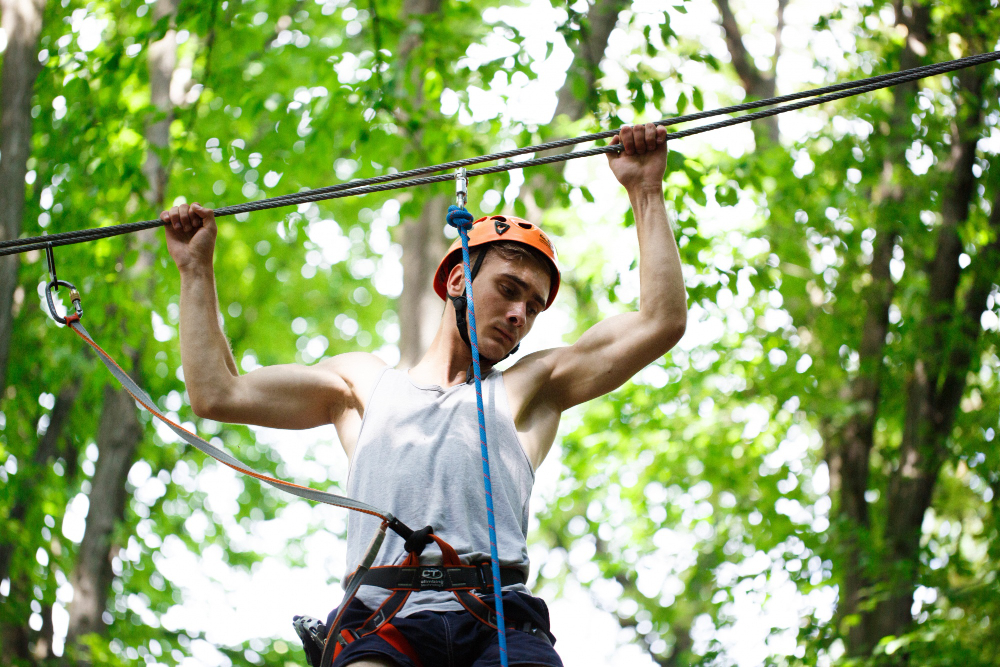
You’ve booked your zip line adventure — exciting! But as the day approaches, you’re standing in front of your closet wondering what on earth you should actually wear. It’s a reasonable question. Zip lining involves harnesses, helmets, elevated platforms, changing weather, and a lot of physical movement. The wrong outfit can be uncomfortable at best, or create a genuine safety issue at worst.
This guide covers everything you need to know about dressing for a zip line tour — from footwear and layers to what to leave behind.
The Golden Rule: Function Over Fashion
Zip lining is not a runway. Prioritize comfort, security, and freedom of movement over how you look in photos. You’ll be wearing a harness around your waist and thighs, a helmet on your head, and gloves on your hands — so whatever you wear underneath needs to work with that equipment, not against it.
Footwear: The Most Important Choice
Closed-toe shoes are non-negotiable at virtually every zip line operation in the country. Sandals, flip-flops, and open-toe shoes are prohibited because they can slip off or cause ankle injuries when landing on platforms.
The ideal zip line shoe is a snug-fitting athletic shoe or hiking shoe with a low profile. Avoid boots with thick heels, platform sneakers, or shoes with loose laces that could get caught in equipment. Lace your shoes fully and double-knot them before your harness fitting.
Pants and Bottoms: Comfort and Security Matter
Fitted athletic pants, leggings, or hiking pants are ideal for zip lining. Avoid loose cargo shorts with dangling pockets, extremely baggy pants, or long skirts and dresses. Loose fabric can catch in the trolley mechanism on the zip line cable, creating both a minor hazard and an embarrassing mid-flight wardrobe situation.
Shorts are generally fine as long as they fit snugly. Keep in mind that the harness has leg loops — very short shorts can cause some discomfort from the harness straps. Mid-length athletic shorts or fitted board shorts are the sweet spot.
Tops and Layers: Dress for the Weather, Not Just the Activity
Zip lining takes place outdoors, often at elevation and in forest environments where temperatures can shift. A fitted t-shirt or moisture-wicking athletic top is the foundation. If the weather could be cool, add a snug fleece or athletic zip-up jacket that won’t balloon open in the wind.
Avoid oversized hoodies, ponchos, wide-sleeved jackets, or anything with hanging drawstrings. If you’re visiting Minnesota — especially for a Brainerd Lakes Area zip line experience — morning temperatures can be cooler than expected, so layering is particularly smart.
What NOT to Wear: The Definitive No-List
- Jewelry: necklaces can catch in equipment; rings can cause hand injuries; remove everything
- Long dangling scarves or loose neckwear
- High heels or wedge shoes of any kind
- Loose or extra-long jeans that drag on platforms
- Backpacks with external frame protrusions
- Clothing with large exposed zippers or buckles that could interfere with harness
- Heavy coats that restrict arm movement
Gloves: Should You Wear Them?
Many zip line operators provide gloves as part of your experience. If yours does, great. If not — or if you have sensitive hands — a pair of lightweight work gloves or fingerless cycling gloves provides grip and prevents rope or cable friction. Avoid bulky winter gloves that reduce your ability to feel the brake mechanism.
Hair: Keep It Controlled
Long hair must be secured before putting on your helmet. A low ponytail, braid, or bun that fits comfortably under a helmet is ideal. Hair that blows freely can obstruct your vision at speed and get tangled in equipment at the landing platform. If you have very thick or long hair, a snug bun or braid is best.
Sun Protection: Don’t Forget
You’ll be spending hours outdoors, often above the tree canopy where UV exposure is higher. Apply sunscreen before you arrive — your guide will thank you for not needing a delay while you apply it at the platform. Sunglasses are generally fine on zip lines but confirm with your operator whether they’re allowed under the helmet. A lightweight cap can be worn under most helmets if the brim is removed or shortened.
What to Bring (and Leave in the Car)
Most zip line operators have lockers or a secure area for personal items. Leave your wallet, bulky keys, and any valuables in your car or the provided storage. Bring only a small zipped fanny pack or vest pocket for your phone if you want to capture photos.
If you’re zip lining with children, check the operator’s specific requirements for younger guests — our guide on zip lining with kids, age limits, and safety rules covers what young riders need to wear and what rules apply.
Final Checklist Before You Head Out
- Closed-toe athletic or hiking shoes, double-knotted
- Fitted pants or shorts — no dangling fabric
- Moisture-wicking top with a snug mid-layer for cool weather
- Sunscreen applied at home
- Hair secured low and helmet-friendly
- No jewelry, no loose accessories
- Phone in a zipped secure pocket if you want it with you
Now that you’re dressed for success, check out the best beginner zip line tours in the USA to pick your adventure — and what aerial adventure parks are worth visiting this summer if you want more than just zip lines.